
Practical Ways to Reduce Food Waste at Home
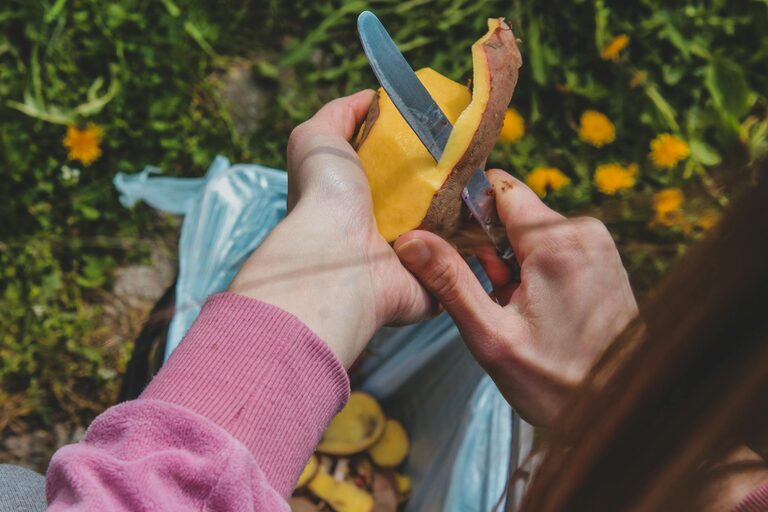
Reducing food waste at home is not only good for your wallet but also benefits the environment by conserving resources and reducing landfill waste. With a few mindful habits and some planning, you can significantly cut down the amount of food that ends up in the trash. This post explores practical, easy-to-follow tips for reducing food waste in your daily life.
Why Reducing Food Waste Matters
Every year, a large portion of produced food goes uneaten. This leads to wasted money, lost time, and environmental issues like greenhouse gas emissions. By reducing food waste, you contribute to a more sustainable lifestyle, conserve natural resources like water and energy, and support global efforts to minimize environmental impact.
Plan Your Meals Ahead
One of the most effective ways to lower food waste is meal planning. When you know exactly what you intend to cook for the week, you buy only the necessary ingredients.
How to Plan Meals Effectively
– Create a weekly meal plan: Decide on breakfasts, lunches, dinners, and snacks.
– Check your pantry and fridge: Use existing ingredients before buying new ones.
– Make a precise shopping list: Stick to what you need, avoiding impulse buys.
– Consider portion sizes: Plan meals according to the number of people eating to reduce leftovers.
Smart Grocery Shopping
Shopping with a focus on reducing waste can make a big difference.
Tips for Better Shopping
– Buy loose produce: This allows you to choose exact quantities.
– Avoid bulk offers if unnecessary: Sometimes buying more leads to spoilage.
– Choose items with longer shelf life: For example, root vegetables instead of leafy greens if you cook less frequently.
– Use reusable bags and containers: This supports an eco-friendly lifestyle beyond just food waste.
Proper Food Storage
Storing food correctly helps maintain freshness and extend shelf life.
Storage Tips
– Use airtight containers: Prevents exposure to air and moisture.
– Keep fruits and vegetables separate: Some emit gases that cause others to ripen faster.
– Store herbs properly: Wrap them in damp paper towels and refrigerate.
– Check your fridge temperature: Keeping it at or below 40°F (4°C) slows spoilage.
Embrace Leftovers
Leftovers often become overlooked and discarded, but they can be delicious and practical.
Ideas for Using Leftovers
– Repurpose meals: Turn roasted vegetables into soups or salads.
– Freeze extras: Store portions in sealed containers for busy days.
– Create a “leftover night”: Dedicate one meal per week to using up leftover ingredients.
Use Food Scraps Creatively
Many food scraps can be used rather than tossed.
What You Can Do
– Make vegetable stock: Use carrot peels, onion skins, and celery leaves for flavorful broth.
– Compost: If you have a garden, composting scraps reduces landfill waste and enriches soil.
– Regrow certain vegetables: Green onion roots, lettuce stems, and celery bases can regrow in water.
Monitor Expiration Dates Mindfully
Expiring food often leads to unnecessary waste, but understanding labels helps prevent this.
Expiration Label Tips
– “Best before” vs “Use by”: “Best before” indicates quality, while “Use by” indicates safety.
– Trust your senses: If a product smells and looks fine, it’s often safe.
– Rotate stock: Place newer items at the back and older ones in front.
Educate and Involve Your Household
Food waste reduction works better when everyone is involved.
How to Involve Family or Housemates
– Discuss meal preferences: Tailor plans to prevent food no one wants.
– Share responsibilities: Have each person manage storage or cooking to foster accountability.
– Celebrate successes: Recognize and reward efforts to reduce waste.
Use Technology to Help
Several apps and tools can support food waste reduction.
Helpful Resources
– Shopping list apps: Help with organized and planned purchases.
– Recipe apps: Suggest meals based on available ingredients.
– Waste tracking tools: Monitor what gets thrown away to improve habits.
Final Thoughts
Reducing food waste at home might seem challenging at first, but small changes add up quickly. By planning meals, shopping smartly, storing food properly, and creatively repurposing ingredients, you can save money, time, and help the planet. Start with one or two tips today, and build sustainable habits for the future.
Try these strategies and enjoy the benefits of a more efficient and eco-friendly kitchen!