
Simple Budget Habits for Everyday Life to Save Money Easily
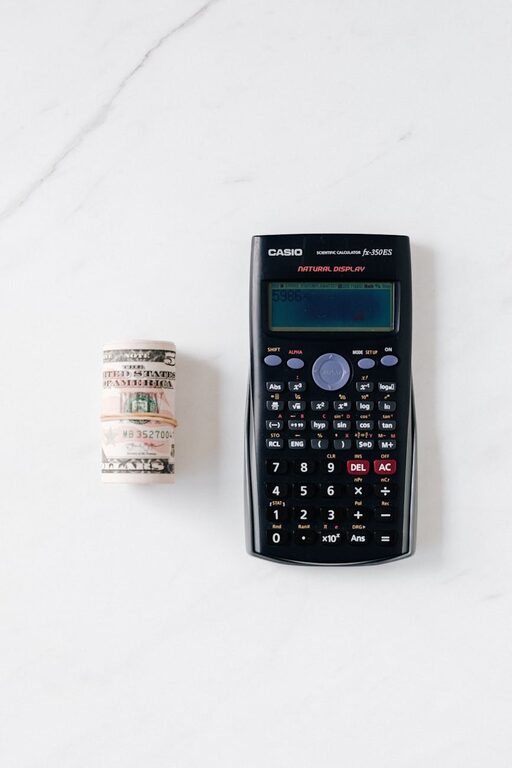
Managing your money well doesn’t have to be complicated. In fact, developing simple budget habits can make a big difference in your everyday life. Whether you’re looking to save more, reduce debt, or just feel more in control of your finances, these habits will help you build a solid financial foundation.
Why Budget Habits Matter
Budgeting is not about restriction or feeling deprived. It’s about understanding how you spend and making conscious choices that align with your goals. Forming good habits around budgeting can turn financial management into a natural part of your daily routine. Over time, these small changes add up to greater financial stability and peace of mind.
Start with a Clear Plan
Set Realistic Goals
Before diving into budgeting, think about what you want to achieve. Are you saving for a vacation, building an emergency fund, or just trying to avoid overspending? Setting clear, achievable goals gives you motivation and direction.
Track Your Spending
Keeping an eye on where your money goes is key. Use a simple notebook, spreadsheet, or a budgeting app to record daily expenses. This helps you identify areas where you may be spending more than necessary.
Simple Everyday Budget Habits to Adopt
1. Create a Weekly Spending Limit
Instead of focusing on monthly expenses, try setting a weekly spending limit for discretionary purchases—like dining out, entertainment, or shopping. This helps you stay mindful and prevents overspending.
2. Plan Your Meals and Grocery List
Food costs often take up a sizable part of the budget. Planning meals for the week and making a detailed grocery list can reduce impulsive buys and food waste. Consider prepping meals at home more often to save money and eat healthier.
3. Use Cash for Variable Expenses
Using cash instead of cards for daily expenses can make spending feel more tangible. When the cash is gone, you know it’s time to stop. This simple habit helps many people stick to their budgets.
4. Avoid Impulse Purchases
Impulse buying can quickly derail your budget. Try to implement a waiting period—say 24 hours—before buying non-essential items. This pause often helps you decide if a purchase is truly necessary.
5. Review and Adjust Regularly
Set aside time weekly or monthly to review your spending and budget. Life changes, and so should your plan. Adjust your budget to keep it realistic and suited to your current needs.
Additional Tips for Sustaining Your Budget Habits
Automate Savings
Set up an automatic transfer to a savings account every payday. This “pay yourself first” strategy makes saving consistent and effortless.
Reduce Subscriptions and Recurring Costs
Check your monthly subscriptions and cancel those you no longer use. Even small monthly fees add up and freeing these funds can boost your budget.
Shop Smart
Look for deals, use coupons, and compare prices before making purchases. Shopping with discounts or during sales can stretch your dollar further.
Practice Gratitude and Contentment
Sometimes, overspending stems from trying to keep up with others or chasing more stuff. Focusing on what you already have and finding joy outside of material things supports better financial habits.
Tools That Can Help
– Budgeting apps like Mint, YNAB, or EveryDollar simplify tracking and planning.
– Spreadsheets give a customizable way to organize expenses.
– Envelope system with physical cash envelopes for each category adds discipline.
Final Thoughts
Simple budget habits don’t require drastic life changes or complicated systems. By building small, consistent strategies into your everyday routine, you can create lasting financial well-being. The goal is progress, not perfection. Start today with one or two of these habits and watch your financial confidence grow.
Remember, budgeting is a journey. Each step you take toward managing your money wisely brings you closer to your goals and greater peace of mind. Happy budgeting!